
Lumps and Bumps on Dogs and Cats
Is the lump on my dog or cat cancer?
Many cats and dogs get lumps and bumps. While most of these are benign and cause a pet no problems, a fair quantity that we see in our clinic turn out to be malignant and are a threat to a pet's life. Some malignant skin tumours we see are soft tissue sarcomas, mast cell tumours and haemangiosarcoma, among many others.
Can you tell if a lump is harmless by feeling it?
As always, the first step once you have brought your pet in for us to check a lump (after providing them with some treats, of course!) is for the vet to collect a history and perform a physical examination. While many people believe that lumps you can get your fingers under, move around easily or are a nice round shape are likely to be benign, these are usually not good indicators and many nasty masses have these exact features.
How do vets test a lump?
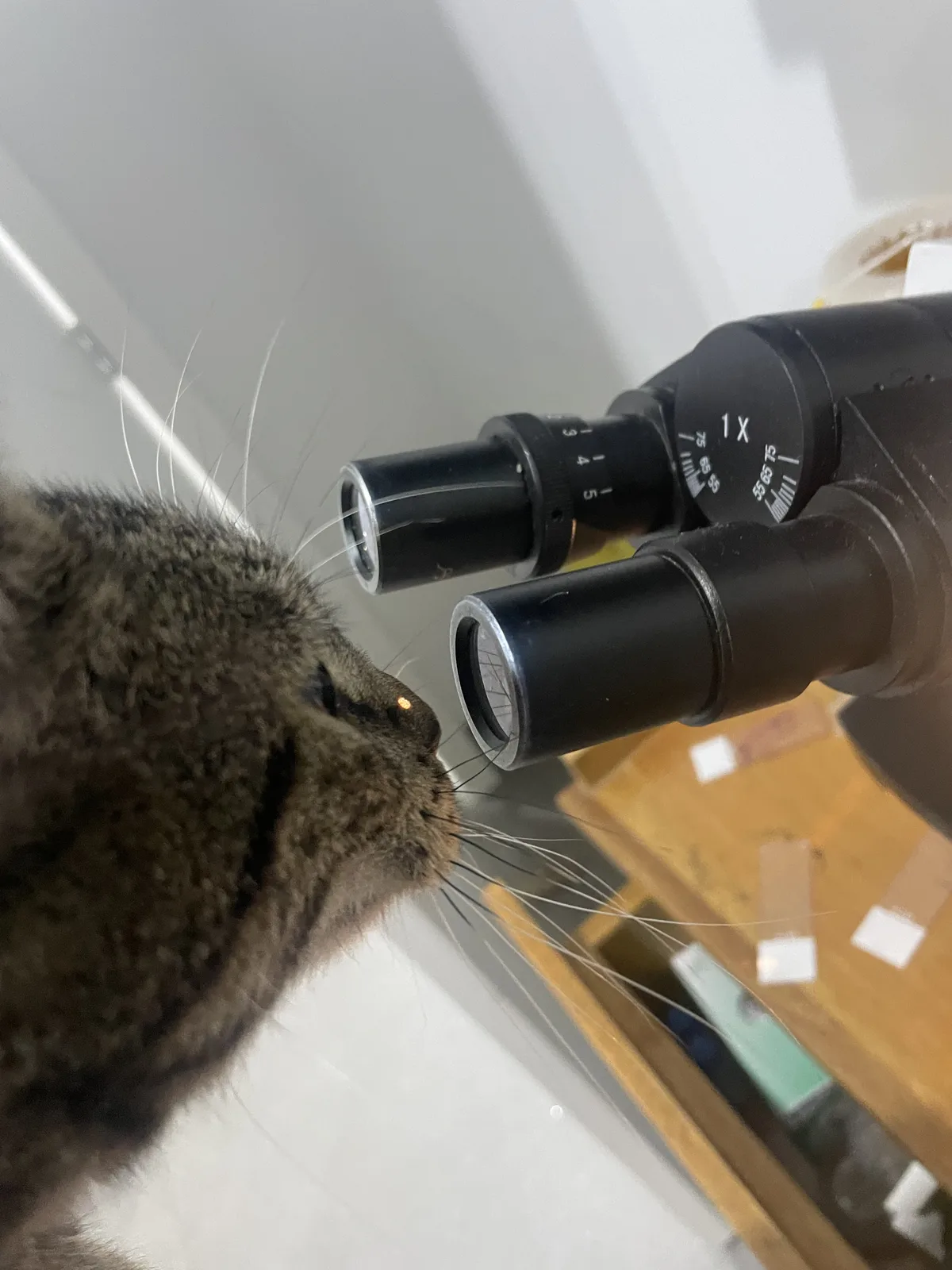
To find out more, we usually need to collect what is called a fine needle aspirate from the mass to characterise it further. This involves using a needle to suck a sample out of the mass and put it on a microscope slide. Our vets can often examine this in clinic and give an indication of whether it looks like something to be concerned about or not. Sometimes they may recommend getting a pathologist's opinion on the sample if they are worried.
Does my pet's lump need to be removed?
If the results of this sampling suggest that the lump is malignant, depending on the location, size of the mass and its association with other structures in the body, we may be able to remove it entirely in surgery. If the lump is closely adhered to important structures or very large, we may opt to get a biopsy first to characterise it a little further and know how much tissue we need to take around it to ensure it is removed completely. Samples taken by surgery are usually sent to the lab for histopathology, which is where a pathologist sets the sample in wax and slices it very thinly before examining it under a microscope.
Often when these lumps are treated early, surgical treatment results in a cure for the patient, so if you are concerned about a lump on your cat or dog it is best to get it checked sooner rather than later.